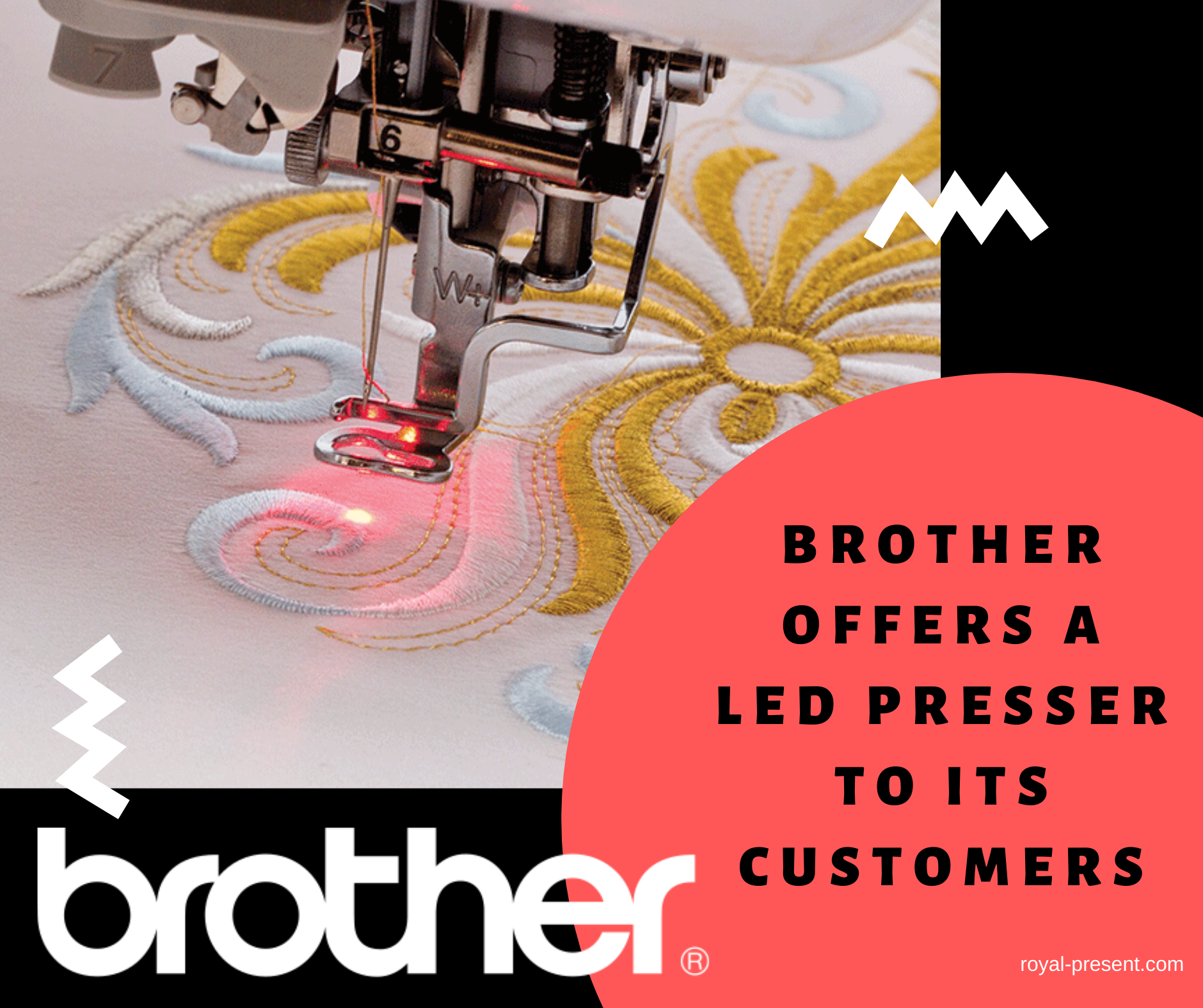
Brother offers a LED presser to its customers
The LED lightfoot from Brother is a must-have addition to your sewing kit for those looking for precise embroidery placement. Not only does the light provide clear visibility, but it also in...
By knowing the speed of your embroidery machine, you can find out how long it will take to embroider a design.
To use the embroidery calculator, click on the number of stitches in the product description.
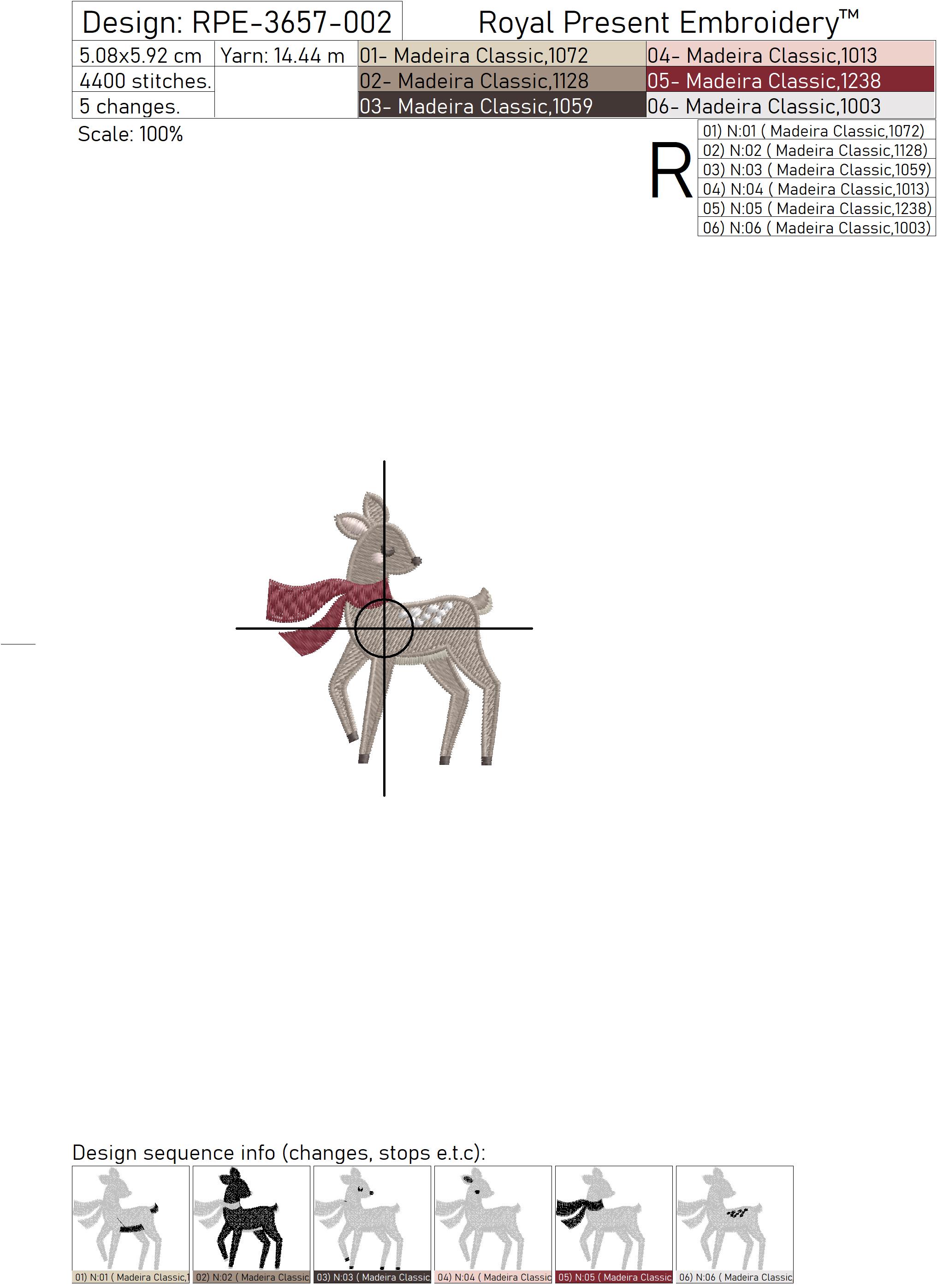
Size: 50.8x59.2 mm (2.00x2.33"), Stitches: 4261
Size: 55.9x65.1 mm (2.20x2.56"), Stitches: 4781
Size: 61.4x71.6 mm (2.42x2.82") , Stitches: 5590
Formats: .dst, .jef, .pec, .vip, .hus, .pes, .exp, .sew, .dat, .vp3, xxx
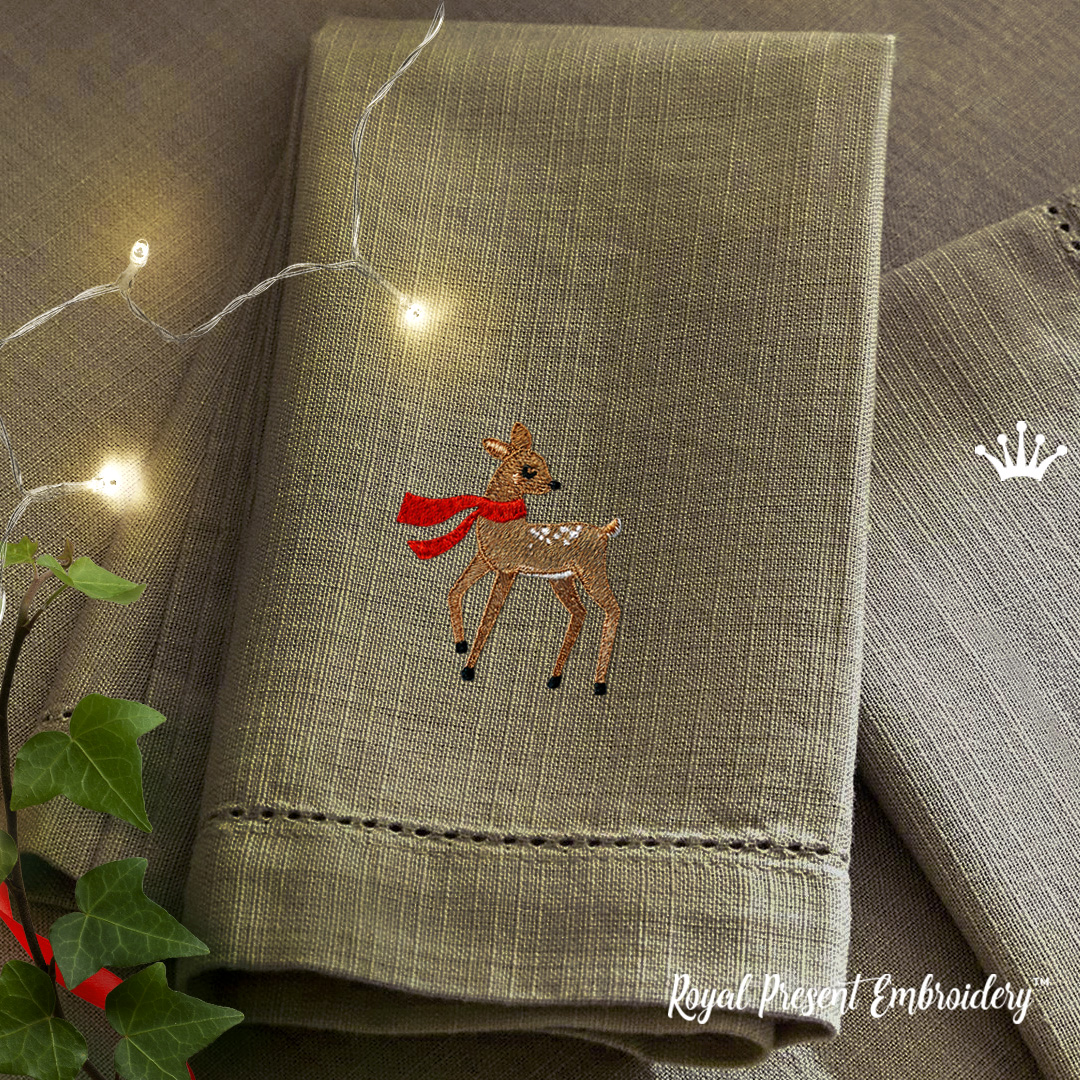
The Mini Deer with Red Scarf machine embroidery design is perfect for adding a festive accent to holiday projects, from stockings to cozy sweaters. Available in 3 sizes, it’s versatile for various fabric placements like home decor or apparel. This design comes with a commercial license, allowing you to use it for small business projects. It also has a companion design, Tiny Bambi Deer in Scarf, for matching holiday creations.
Proper maintenance of your embroidery machine is key to ensuring its longevity and smooth operation. Regular care and inspection will help prevent breakdowns, improve embroidery quality, and extend the life of your machine. In this article, we will cover the main steps of embroidery machine maintenance that you can perform at home.
1. Cleaning the Embroidery Machine
Cleaning is one of the most important procedures in taking care of your embroidery machine. During operation, dust, lint, and thread remnants accumulate, which can lead to tension issues, machine slowdown, or even breakdowns.
2. Oiling the Moving Parts
To keep your machine running smoothly, it's important to oil the moving parts regularly. Always use oil that is specifically designed for sewing and embroidery machines.
3. Checking Thread Tension
Thread tension is crucial for high-quality embroidery. Incorrect tension can cause skipped stitches, thread breaks, and a poor overall finish.
4. Regular Needle Replacement
Needles wear out over time and can become dull or damaged. Using a dull needle can result in poor embroidery quality or even damage to your fabric.
5. Calibration and Adjustment of the Machine
Regular maintenance includes checking the calibration of all systems. If your machine is not embroidering properly, it may require adjustments such as correcting the needle position, thread tension, or updating the software.
6. Proper Storage and Protection of the Machine
Proper storage of your embroidery machine is also part of its maintenance. Avoid storing it in areas with high humidity or near heat sources.
While most maintenance tasks can be done at home, some issues require professional assistance. If your machine makes unusual noises, skips stitches, or vibrates excessively, it’s best to visit a service center.
Maintaining your embroidery machine at home is a simple but essential process that will extend the life of your equipment and ensure the quality of your work. Regular cleaning, oiling, and needle replacement will keep your machine in top condition and help you avoid costly repairs.
The LED lightfoot from Brother is a must-have addition to your sewing kit for those looking for precise embroidery placement. Not only does the light provide clear visibility, but it also in...
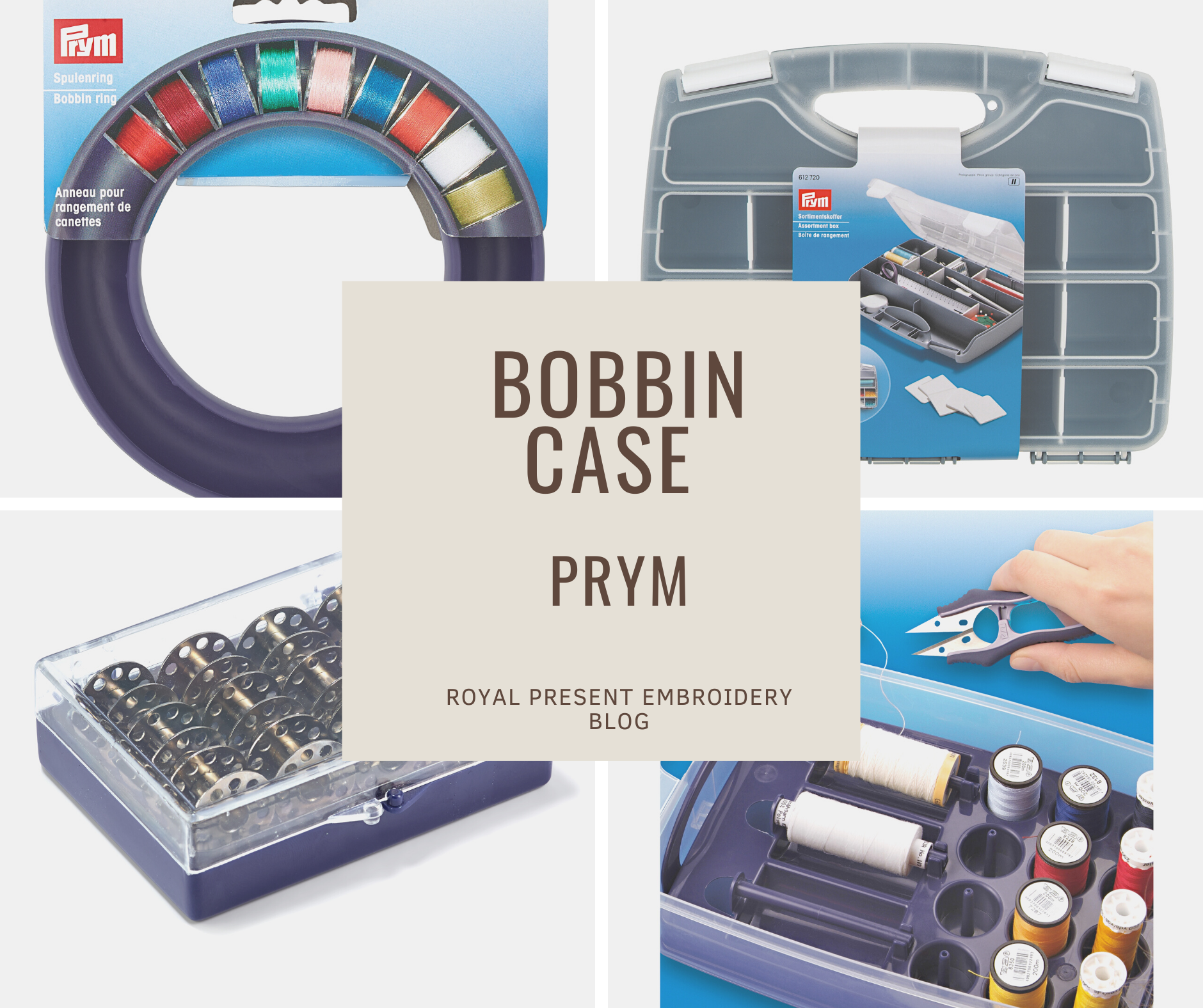
Product Review: PRYM Bobbin Case - Workplace Organization Organizing your supplies can make all the difference in your workflow if you're a crafter or sewist. That's where PRYM's bobbin sto...

Today’s article will speak about various extras that will add to your success. Also it’s a concluding installment to the “Home-run embroidery business” series course. Thus it includes issues, we haven...

 Get Sign-In Link
 Login with Google
 Login with Facebook
 Login with Amazon
 Login with Paypal