Free Machine Embroidery Design Indian ornament
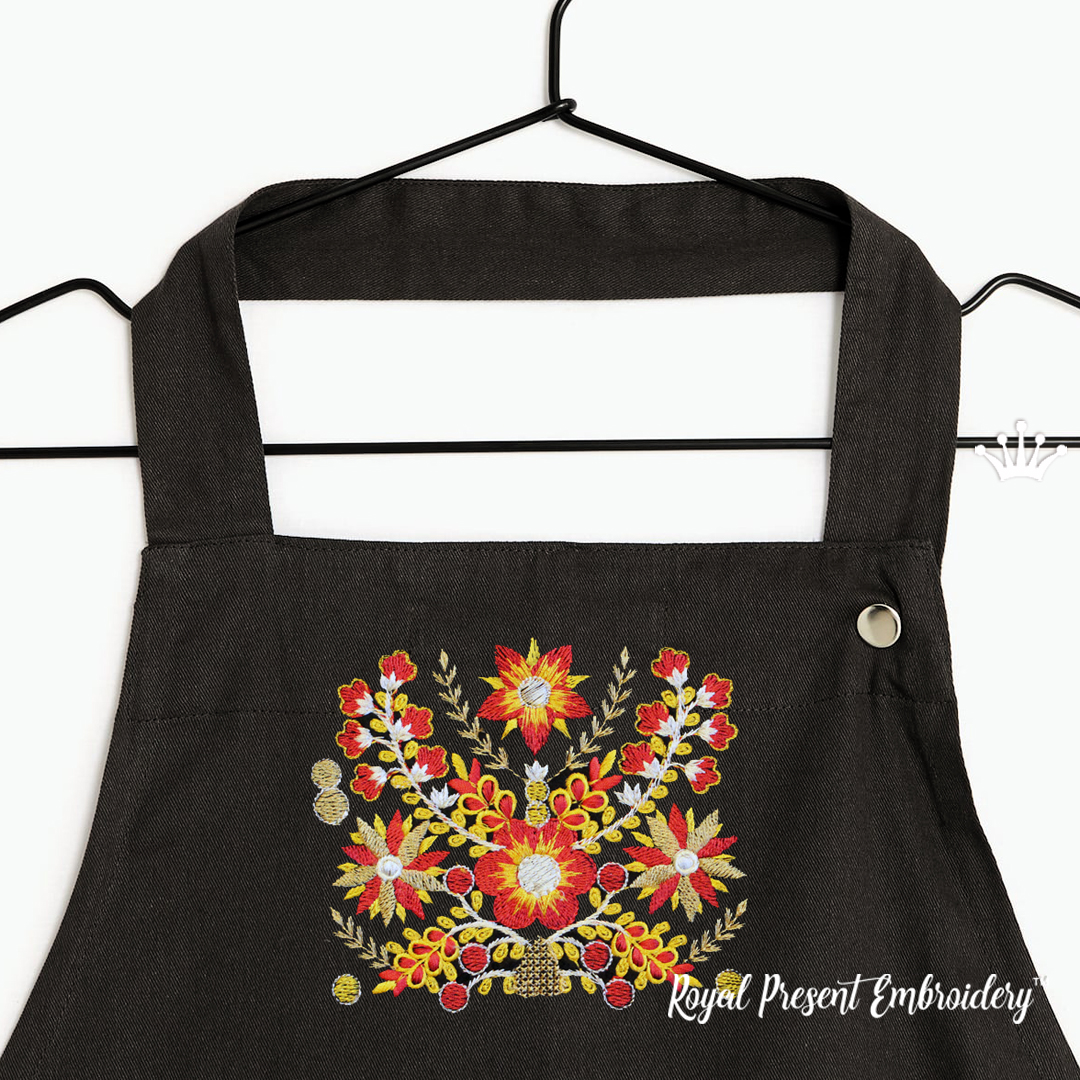
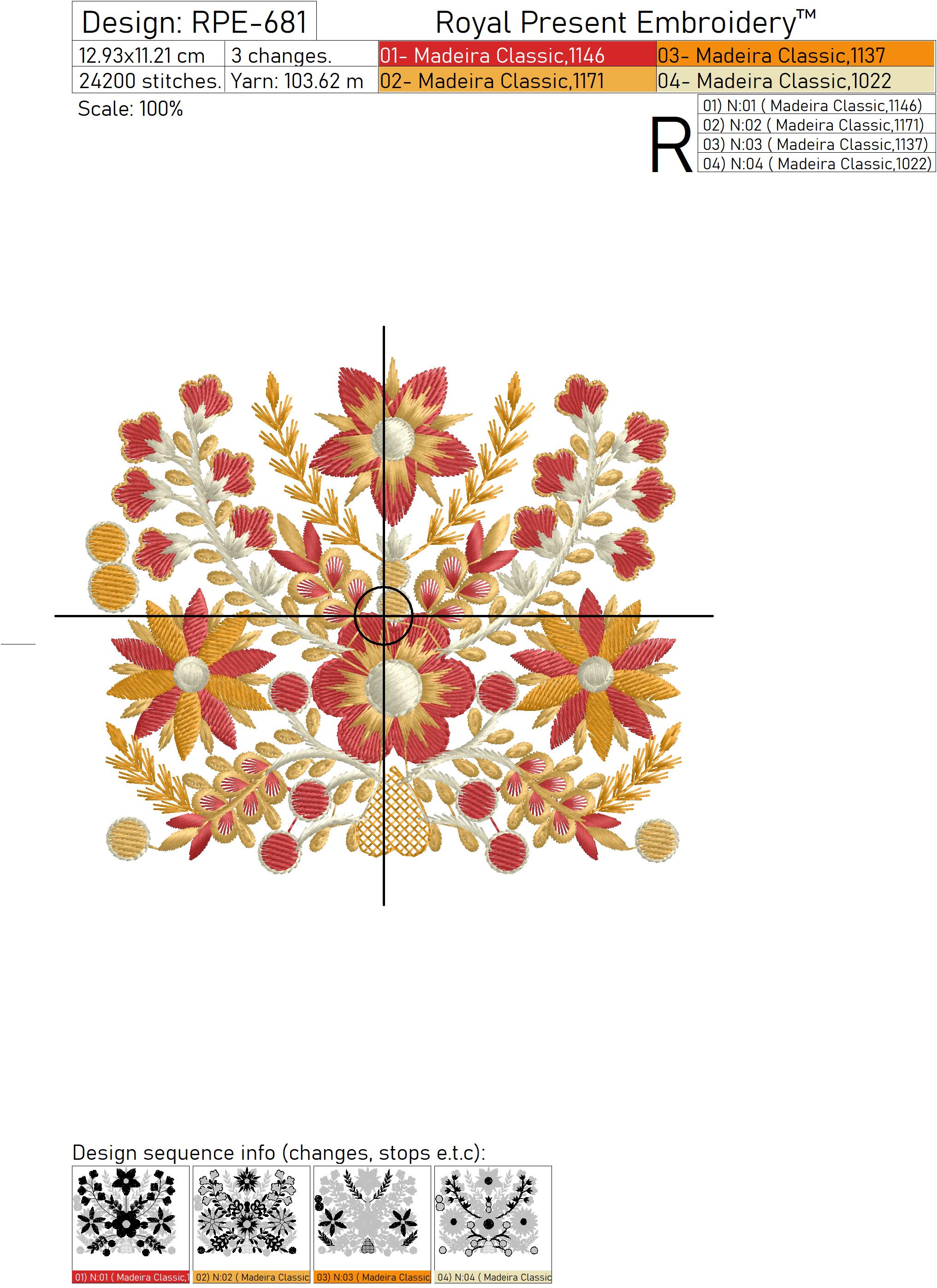
Pay attention to Free Machine Embroidery Design Indian ornament. It is an element that will surely come in handy for creating stunning gizmos. This bright floral pattern will serve as an idea...
By knowing the speed of your embroidery machine, you can find out how long it will take to embroider a design.
To use the embroidery calculator, click on the number of stitches in the product description.
Size: 129.3x112.1 mm (5.09x4.41 "), Stitches: 19134
Formats: .dst, .jef, .pec, .vip, .hus, .pes, .sew, .exp, .dat, .vp3
Here is a link to the freebies free machine embroidery designs download
The free designs in store are available for customers who purchased other designs, as a bonus.
You can add all free designs to the basket with a purchase not less than 3$. Sorry, separately, free without order designs cannot be loaded.
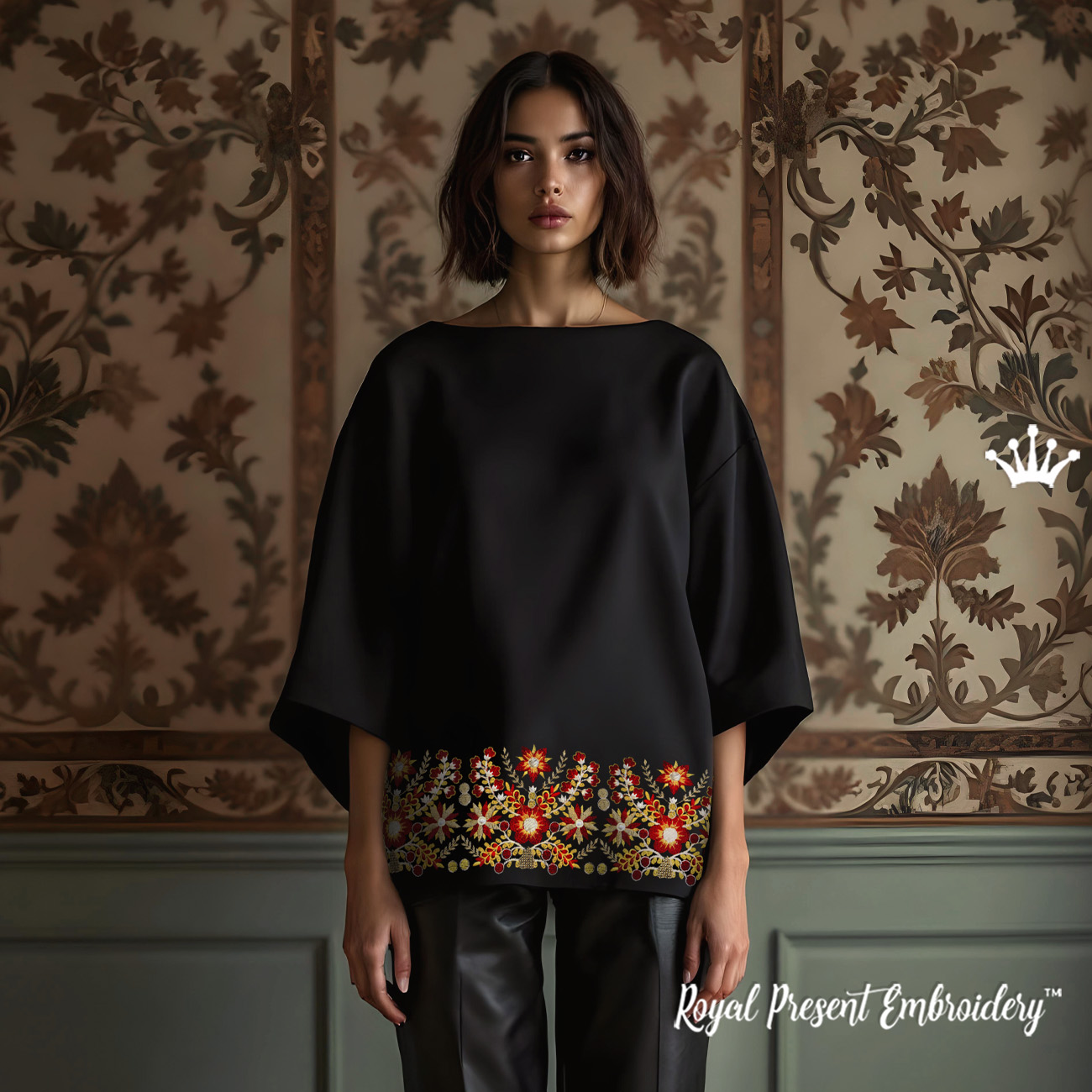
Free Indian Ornament is a machine embroidery design that will add an oriental flair and sophistication to your projects. This pattern combines traditional Indian motifs with a rich palette and intricate details, making it perfect for decorating tunics, dresses, accessories, and home decor. Free Indian Ornament is especially ideal for creating elegant borders, giving your items a unique and luxurious look.
The Free Indian Ornament design is also perfect for creating borders on textile items. Whether it's the hem of a tunic or the decoration on a tablecloth, borders with this pattern add refinement and elegance to the piece. This type of embroidery emphasizes the edges of the item and draws attention to its details.
Question: What fabric is best for a tunic?
Answer: For tunics like the one shown in the photo, it’s best to choose medium-density natural fabrics like cotton, linen, or viscose. These materials allow airflow, providing comfort, and are suitable for embroidery. Depending on the design, mixed fabrics with polyester or silk can also be used for added shine and durability.
For tunics, it's recommended to choose stabilizers that provide embroidery support while maintaining the fabric’s elasticity. Several suitable brands are available, such as Gunold and Madeira. For medium-density natural fabrics like cotton or linen, it's advisable to use a tear-away stabilizer weighing around 50-80 g/m².
If the tunic is made from dense or elastic fabrics, the choice of stabilizer will depend on several factors:
For dense fabrics:
For elastic fabrics:
It’s essential to avoid overly rigid stabilizers for dense and elastic fabrics to maintain the garment’s flexibility and comfort.
One common mistake some crafters make is stretching the fabric before securing it in the hoop. When the embroidery is completed and the fabric is released from the hoop, it will return to its original shape, which can cause puckering and distortion around the embroidered design.
Experienced machine embroidery enthusiasts advise using the smallest possible hoop that fits your design. Using hoops that are too large can distort the fabric's structure and affect the embroidery's appearance. Hoop the fabric snugly but not too tightly, and avoid overtightening the screws after setting the material.
These tips will help you achieve a perfect result and enjoy the process of creating beautiful items. After all, any piece adorned with such a refined design will become a true work of art.
Pay attention to Free Machine Embroidery Design Indian ornament. It is an element that will surely come in handy for creating stunning gizmos. This bright floral pattern will serve as an idea...
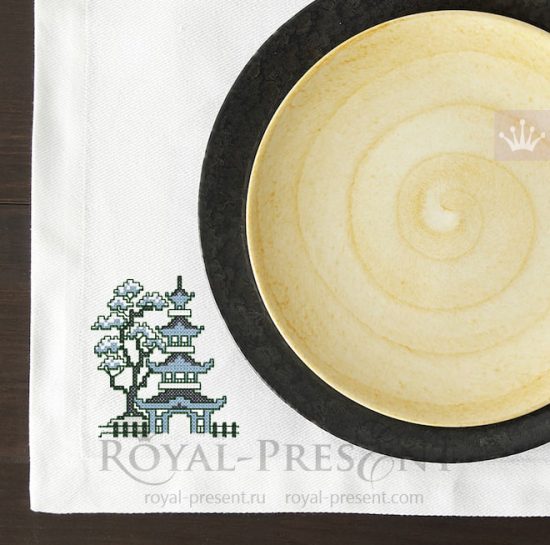
Modern technologies have presented us with many opportunities and advantages of the most varied scales. Thanks to the progress, all spheres of our life become more convenient. Man was able to...
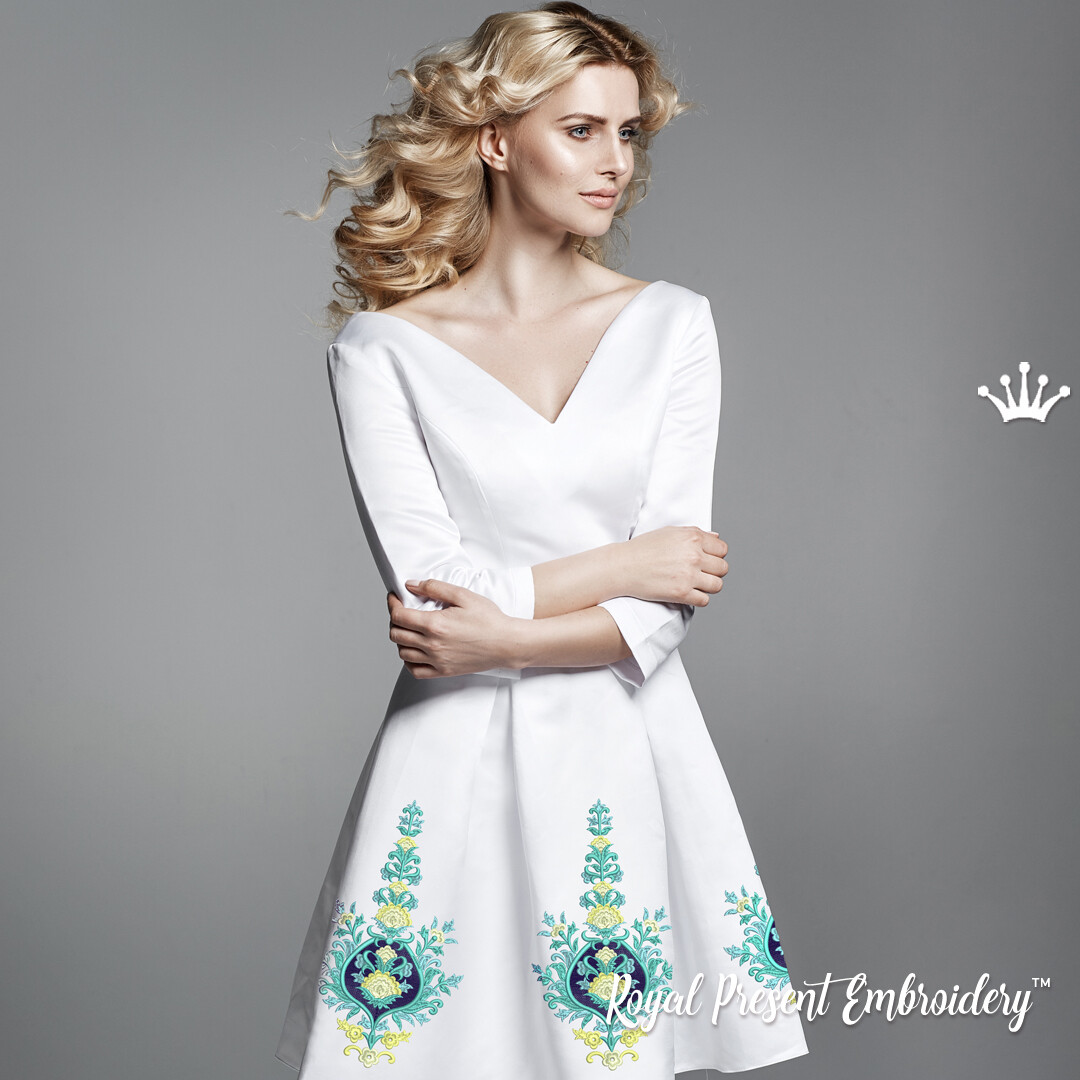
Unlocking the Allure of Indian Culture: Exploring Free Embroidery Design Indian Ornament Dive into the heart of Indian culture with our captivating creation – the Free Embroidery Design Indian Ornamen...
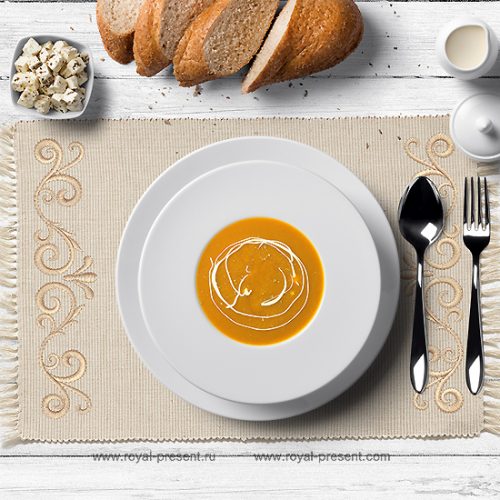
Decorative element free machine embroidery design: simple and spectacula! Human nature is such that we seek to stand out among others. Embroidery has become an excellent tool for this task. E...
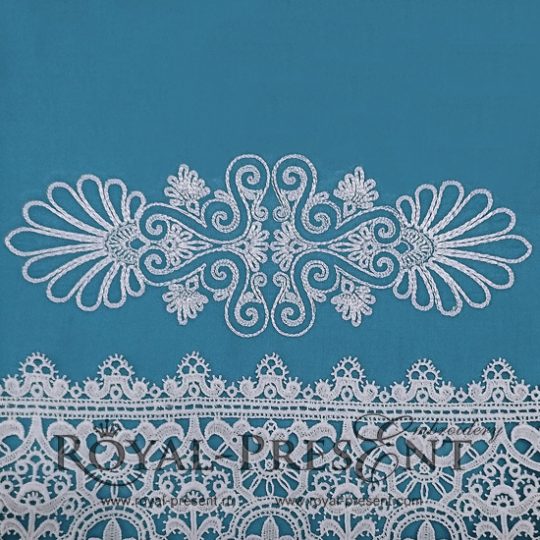
Some prefer fresh flowers in the house, but don’t want to duplicate them in an embroidery. Beautiful designs do not always fit to a certain style of the room. Do you want to decorate the hous...
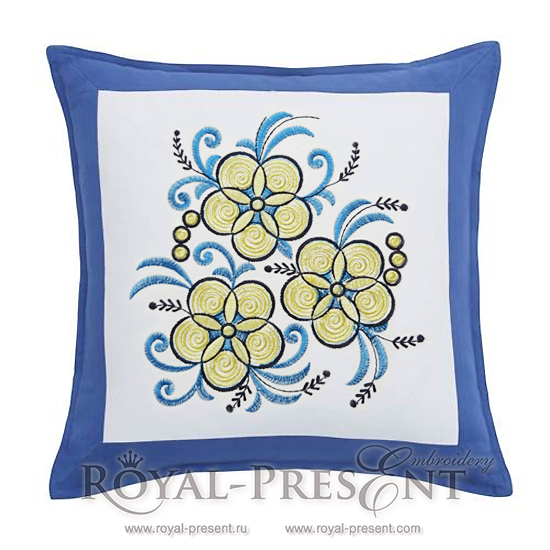
You can use this significant Free Machine Embroidery Design Garden flowers in a different ways. First of all it will help to turn your tablecloth or napkins unusual and amazing. It is suitab...
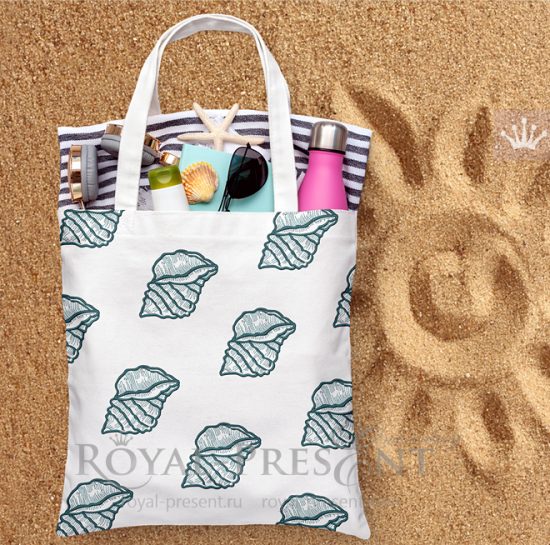
Each of us loves and represents the summer in its own way. For some, summer is a time of rest, travel and new discoveries. Someone spends the summer far from the bustle of the city along with...
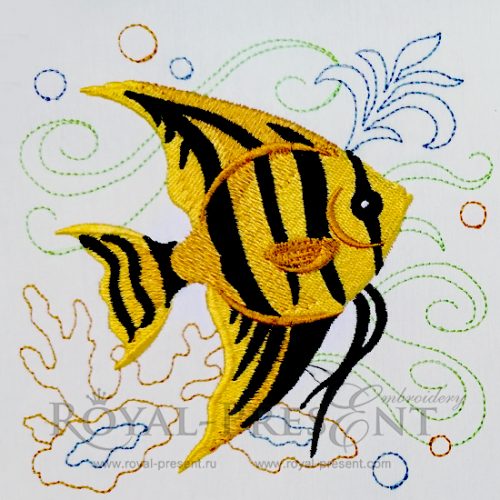
Nautical theme in interior is one of the most popular decorative styles. When done correctly, it has perfect combination of comfort, elegance and “whimsy”. As the sea is abundant with marvelo...
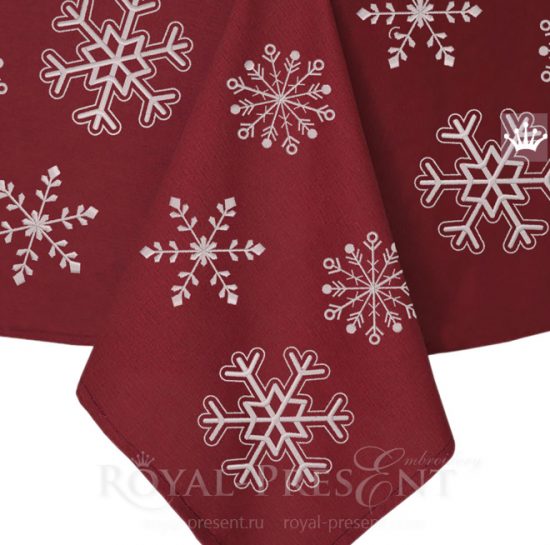
Creating our free machine embroidery designs, we try to make every customer pleasant to us. Agree, it’s nice to receive free patterns for embroidery as a gift. With their help you can create...
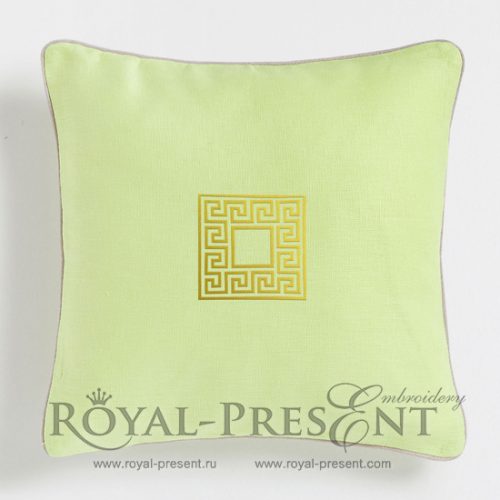
This interesting and unique in its kind Free Machine embroidery designs to download Greek ornament can be used for different purposes. Embroidered clothes, pillows, home textiles and kitchen...

 Get Sign-In Link
 Login with Google
 Login with Facebook
 Login with Amazon
 Login with Paypal