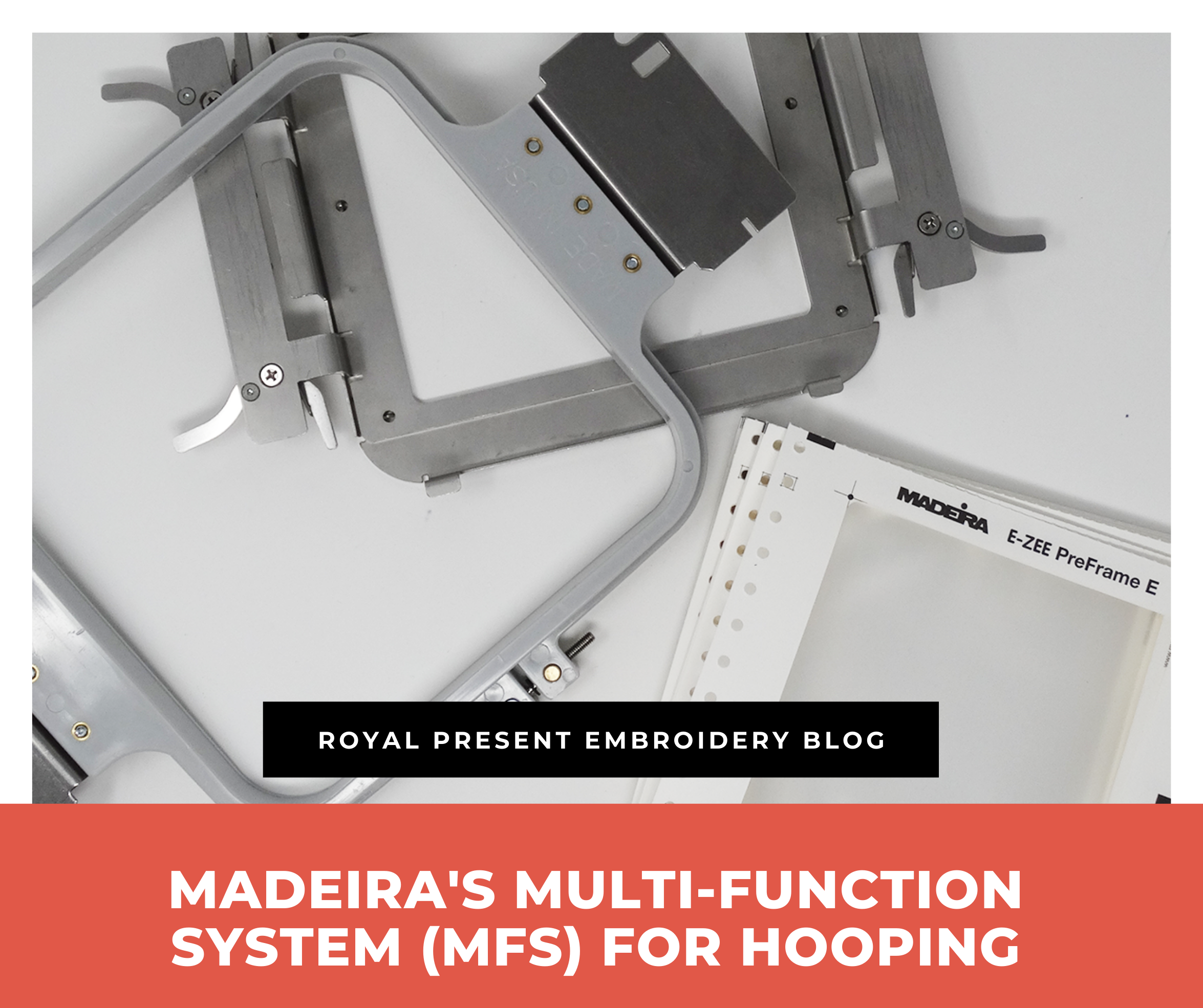
MFS-25 MULTI-FUNCTIONAL FRAME
Enhance Your Embroidery Projects with the Madeira MFS System: A Comprehensive Review Embroidery enthusiasts, whether beginners or seasoned professionals, are always on the lookout for tools that can...
By knowing the speed of your embroidery machine, you can find out how long it will take to embroider a design.
To use the embroidery calculator, click on the number of stitches in the product description.
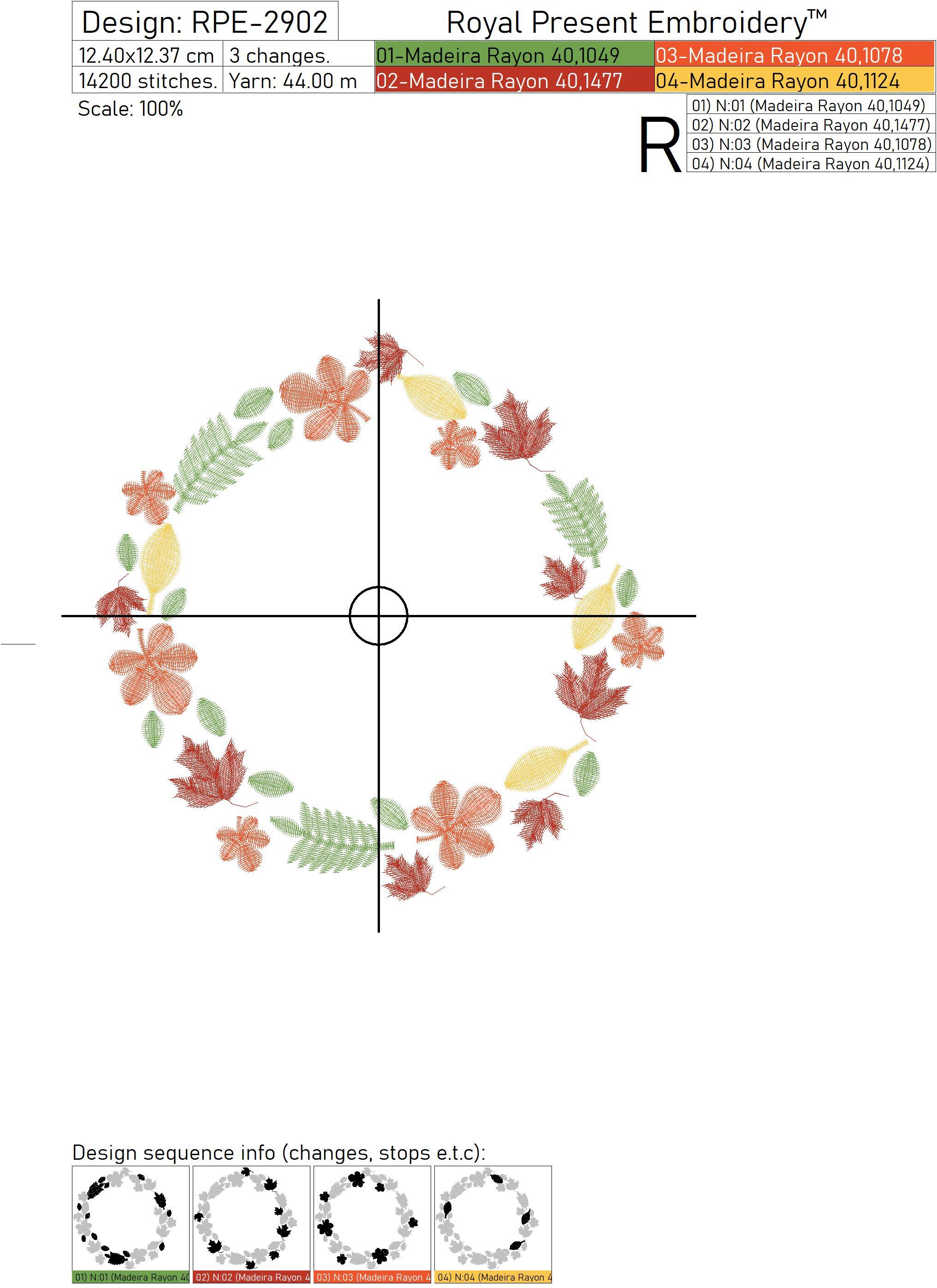
Size: 124.0x123.7 mm (4.88x4.87 "), Stitches: 13723
Size: 148.3x147.6 mm (5.84x5.81 "), Stitches: 15912
Formats: .pes, .pec, .hus, .vip, .dst, .exp, .sew, .dat, .vp3, sew, xxx, jef
FONT IS NOT INCLUDED
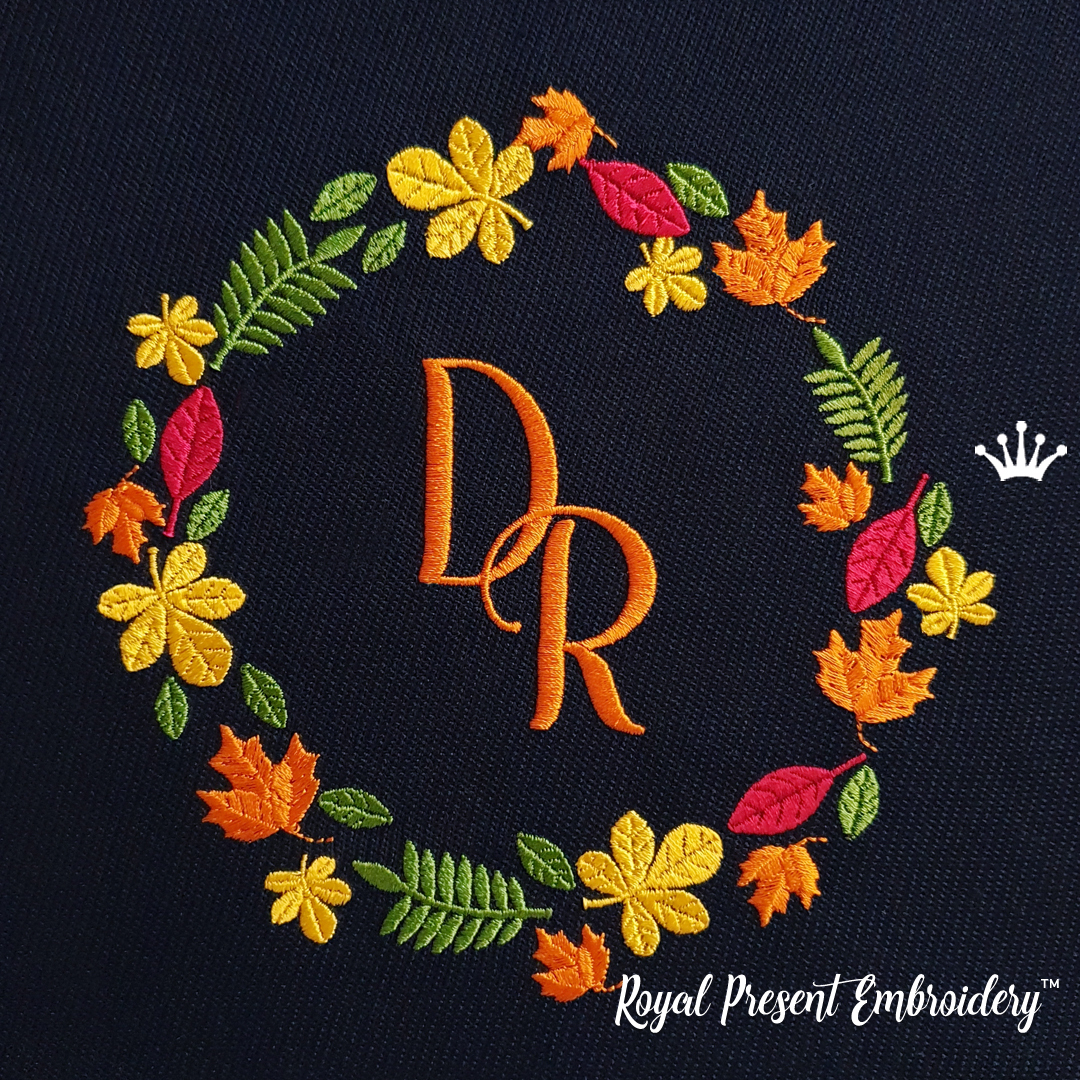
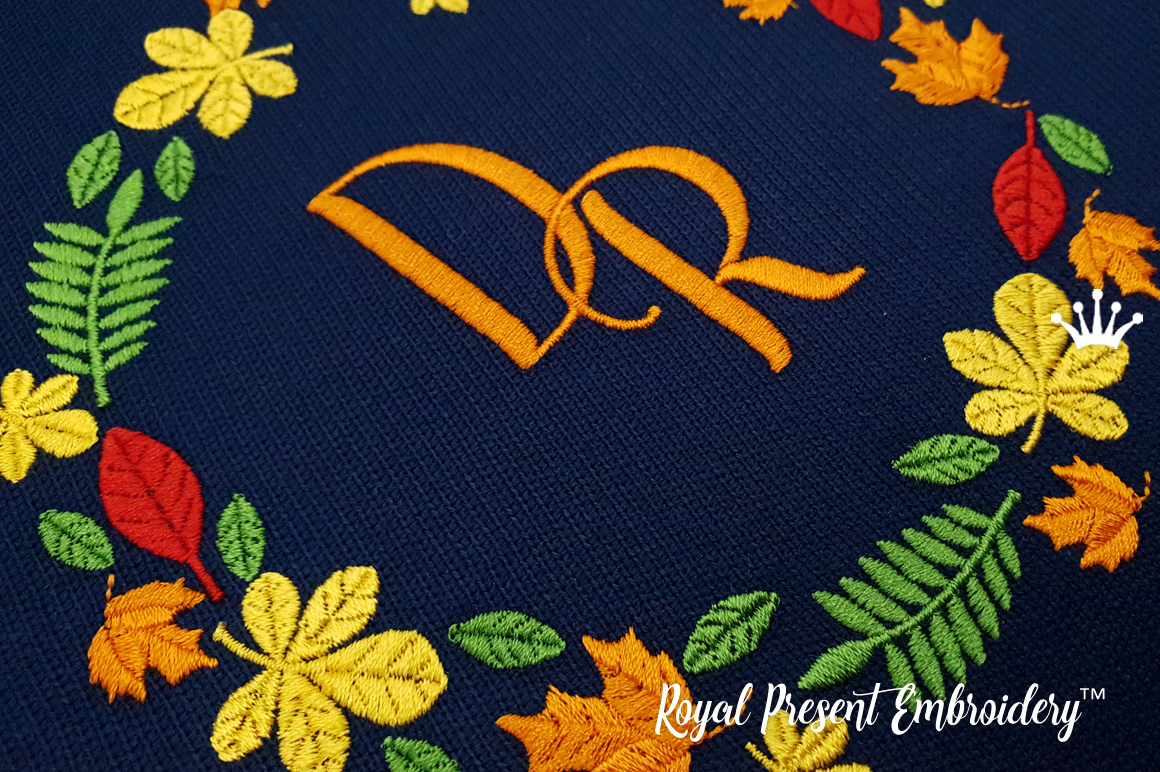
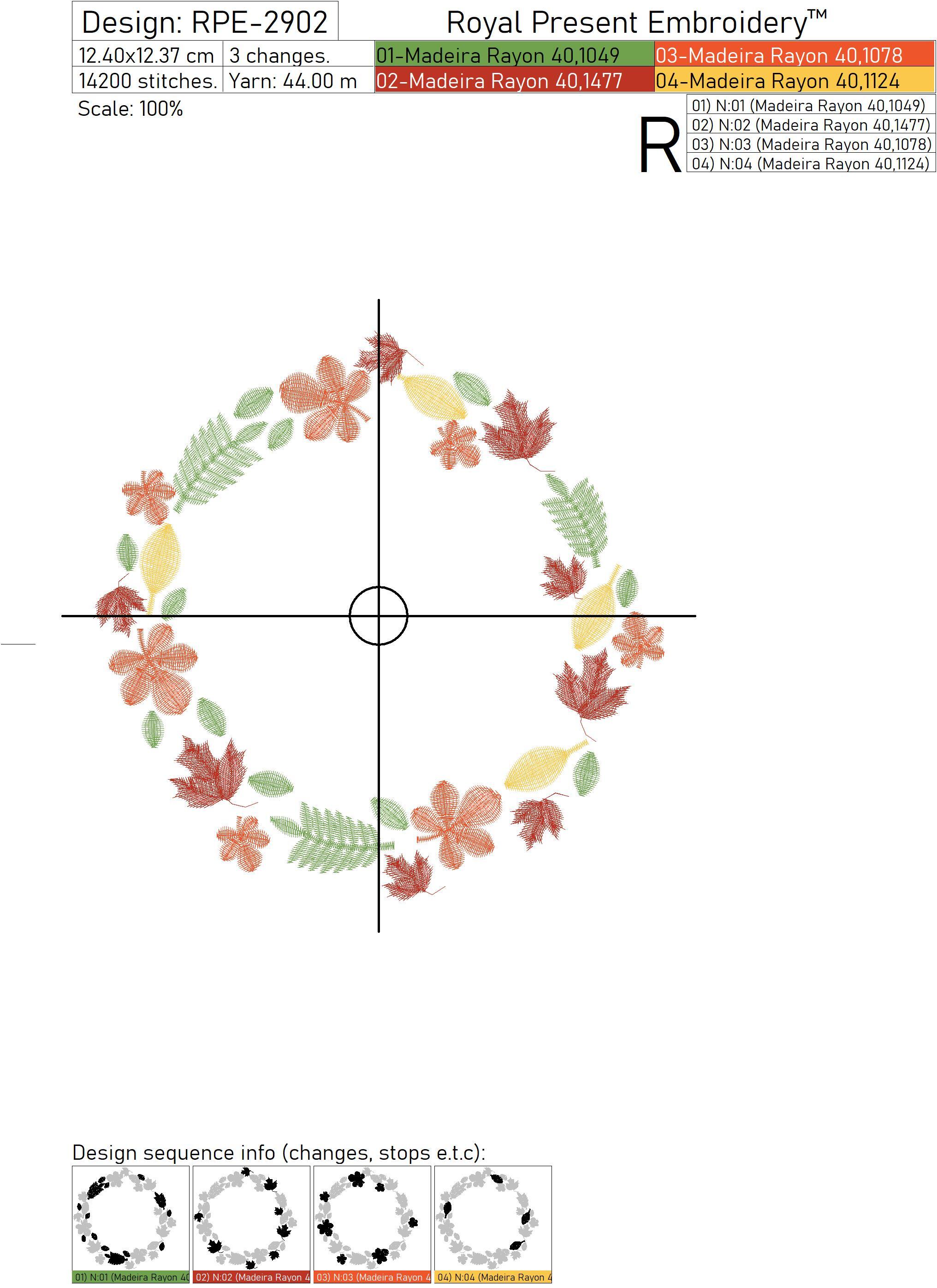
Autumn Leaves Wreath is a perfect way to bring the beauty of the fall season into your home. This design features a delicate arrangement of vibrant autumn leaves, creating a stunning wreath that symbolizes the warmth and coziness of the season. Whether you’re looking to embellish table linens, pillows, or wall hangings, this wreath adds a touch of seasonal charm and elegance to any project.
With its nature-inspired aesthetic, this design is perfect for those who love incorporating the colors of fall into their decor. It's versatile and can be used for personal projects or for creating unique items to sell. The intricate details and rich colors of the Autumn Leaves Wreath will make your embroidery stand out, making it an ideal addition for anyone wanting to enhance their seasonal decorations.
Machine embroidery professionals often encounter breakdowns caused by avoidable user errors. One example is failing to switch to a stronger needle when embroidering dense materials like leather, which can result in a broken needle and severe damage to the machine’s shuttle mechanism. Repairs can be costly, and this mistake is easily avoided by selecting the correct needle for the fabric.
Careless handling of fabrics: One user tried to embroider on a very thick leather material without switching to a stronger needle. The result? A broken needle lodged inside the machine's mechanism, which severely damaged the shuttle system, leading to an expensive repair. It's crucial to always choose the right needle for the fabric.
DIY repair attempts: Some embroiderers decide to take matters into their own hands, attempting to fix their machines without the proper knowledge. In one case, a user opened the machine's casing for "cleaning" without understanding the instructions, and when reassembled incorrectly, several key parts malfunctioned. This, of course, required professional intervention.
Using low-quality threads: A common mistake involves using cheap, poor-quality threads that frequently break during stitching. Instead of changing the thread right away, the user continued working, which eventually led to damage to the thread tensioner.
To avoid these kinds of mishaps, it's important to follow the manufacturer's recommendations, use quality materials, and seek professional help when servicing the machine.
Enhance Your Embroidery Projects with the Madeira MFS System: A Comprehensive Review Embroidery enthusiasts, whether beginners or seasoned professionals, are always on the lookout for tools that can...

 Get Sign-In Link
 Login with Google
 Login with Facebook
 Login with Amazon
 Login with Paypal